

Manufacturing Engineering Careers Overview
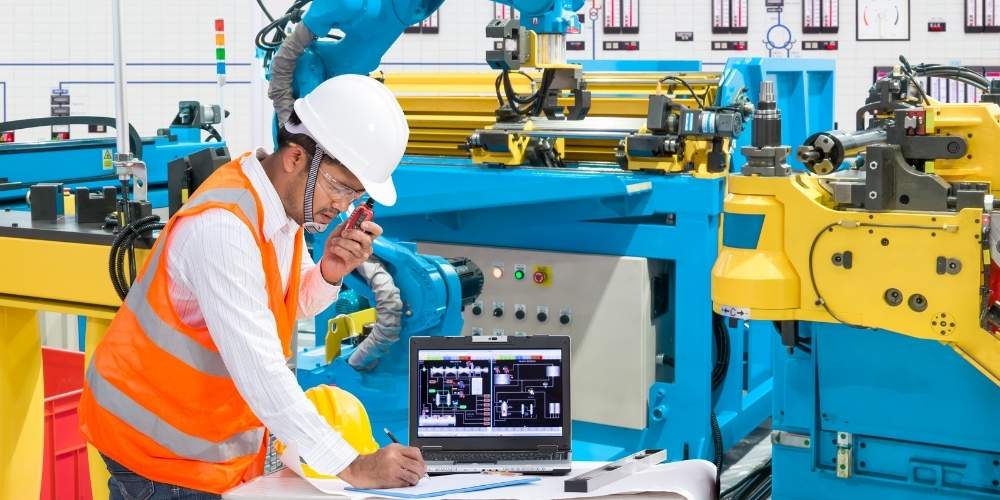
Manufacturing engineers play a crucial role in designing, improving, and optimizing production processes. They focus on making manufacturing as efficient, cost-effective, and safe as possible while maintaining high product quality. This field involves applying engineering principles and technology to oversee production systems, automation, quality control, and supply chain management. Manufacturing engineering offers a rewarding career path for those interested in both technical and practical applications, especially as industries increasingly adopt automation and digitalization.
Key Roles in Manufacturing Engineering
- Process Engineer
Process engineers design and optimize manufacturing processes, focusing on improving efficiency, productivity, and safety. They analyze workflows, identify bottlenecks, and implement improvements to streamline production. - Quality Control Engineer
Quality control engineers ensure products meet quality standards and regulatory requirements. They design testing methods, monitor production for quality assurance, and work to identify and eliminate sources of defects. - Production Engineer
Production engineers oversee the day-to-day manufacturing activities on the factory floor. They ensure machinery operates efficiently, maintain production schedules, and monitor resource utilization. - Automation Engineer
Automation engineers focus on implementing robotic systems and advanced automation technology to improve productivity and reduce labor costs. They program and maintain automated systems, ensuring they meet production requirements. - Industrial Engineer
Industrial engineers optimize the layout of production floors, manage supply chains, and streamline processes to reduce waste, minimize costs, and improve overall efficiency. - Supply Chain Engineer
Supply chain engineers oversee the entire supply chain process, ensuring materials are sourced, transported, and delivered efficiently. They work closely with suppliers and logistics teams to manage inventory and reduce lead times.
Salary Expectations
Manufacturing engineers’ salaries vary depending on the region, industry, and experience level. Here is an overview of typical salaries across different countries.
| Country | Entry-Level Salary | Mid-Level Salary | Senior-Level Salary | Automation & Quality Engineering Salary |
|---|---|---|---|---|
| United States | $65,000 – $75,000 | $75,000 – $100,000 | $100,000 – $130,000+ | $100,000 – $150,000+ |
| Canada | CAD 60,000 – 70,000 | CAD 70,000 – 90,000 | CAD 90,000 – 120,000+ | CAD 90,000 – 140,000+ |
| United Kingdom | £35,000 – £45,000 | £45,000 – £65,000 | £65,000 – £90,000+ | £70,000 – £120,000+ |
| Australia | AUD 65,000 – 80,000 | AUD 80,000 – 100,000 | AUD 100,000 – 130,000+ | AUD 100,000 – 150,000+ |
| Germany | €50,000 – €65,000 | €65,000 – €85,000 | €85,000 – €110,000+ | €90,000 – €130,000+ |
| China | CNY 100,000 – 150,000 | CNY 150,000 – 250,000 | CNY 250,000 – 400,000+ | CNY 300,000 – 500,000+ |
Note: Salaries may vary by city, level of experience, and industry specialization.
Job Market Trends by Country
- United States
The U.S. manufacturing sector is rebounding, driven by automation, renewable energy, and the demand for domestic production. Manufacturing engineers are in high demand in automotive, aerospace, and electronics, particularly in states like Michigan, Texas, and California. - Canada
Canada’s demand for manufacturing engineers is strong, especially in automotive, aerospace, and food processing industries. Ontario and Quebec are major hubs, with growing interest in automation and process improvement as Canada competes globally. - United Kingdom
The U.K. is experiencing growth in high-tech manufacturing, with demand for manufacturing engineers specializing in automation and green technologies. Birmingham, Manchester, and London are major hubs, focusing on sectors like aerospace, automotive, and renewable energy. - Australia
In Australia, the manufacturing sector is shifting towards advanced manufacturing, creating demand for engineers skilled in automation, process improvement, and robotics. Key industries include mining, food processing, and defense manufacturing. - Germany
As a leader in precision manufacturing, Germany has high demand for manufacturing engineers, especially in automotive and machinery. Cities like Stuttgart, Munich, and Hamburg are hubs for advanced manufacturing, with a focus on Industry 4.0 and smart factories. - China
China remains the world’s largest manufacturing hub, with rising demand for manufacturing engineers skilled in automation and process optimization. Shenzhen, Shanghai, and Guangzhou are hotspots, with companies focusing on robotics and digital manufacturing.
Educational Requirements and Certifications
Manufacturing engineers generally hold a bachelor’s degree in manufacturing engineering, mechanical engineering, or industrial engineering. Some pursue advanced certifications to deepen their expertise.
- Certified Manufacturing Engineer (CMfgE): Offered by the Society of Manufacturing Engineers (SME), this certification is recognized globally for validating expertise in manufacturing engineering.
- Six Sigma Green Belt / Black Belt: These certifications focus on quality management and process improvement, valuable for manufacturing engineers in quality control roles.
- Lean Manufacturing Certification: Focuses on eliminating waste and improving process efficiency, a critical skill set in modern manufacturing.
- Project Management Professional (PMP): For those in project management roles within manufacturing, the PMP certification is widely respected.
- ISO Certifications: Many roles require knowledge of ISO 9001 (Quality Management) and ISO 14001 (Environmental Management) standards.
Essential Skills for Success in Manufacturing Engineering
- Technical Proficiency: Knowledge of CAD, CAM, and other engineering software is essential for designing and testing production processes.
- Problem-Solving: Strong analytical skills are crucial to diagnose issues, optimize production, and implement solutions.
- Attention to Detail: Precision is essential to ensure products meet quality standards and regulatory requirements.
- Project Management: Manufacturing engineers often handle multiple projects, requiring strong organizational and project management skills.
- Communication: Effective collaboration with teams, suppliers, and stakeholders is vital, particularly when coordinating production processes and quality control.
Conclusion
Manufacturing engineering offers diverse and rewarding career paths, with opportunities to innovate and improve production processes across industries. As global markets shift towards automation, sustainability, and smart factories, manufacturing engineers are essential in creating efficient, high-quality production systems. With competitive salaries, global demand, and a wide range of specializations, manufacturing engineering is an exciting field with significant growth potential.