

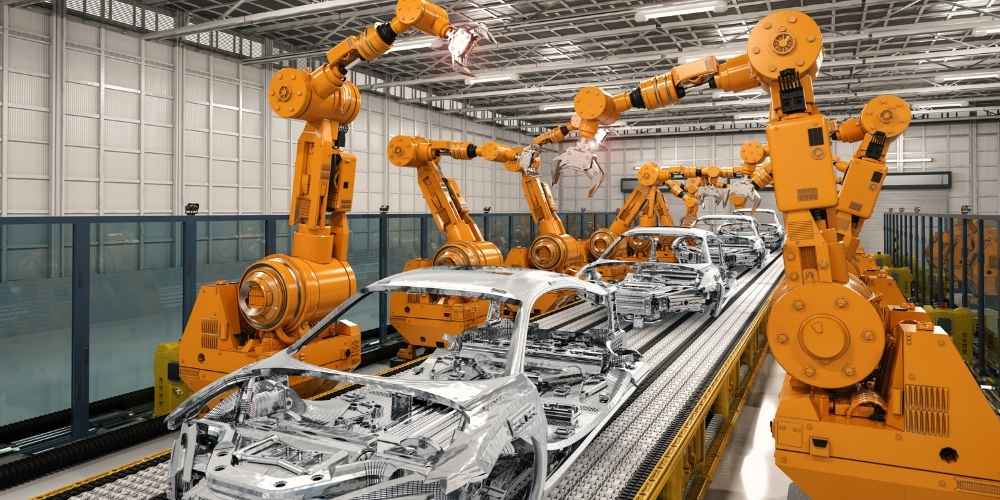
With the rise of smart manufacturing, AI-driven automation, and robotics, careers in robotics and automation are booming. These fields are reshaping industries like manufacturing, healthcare, agriculture, and logistics by using intelligent systems to perform tasks with precision and efficiency. This guide outlines career paths in robotics and automation, key roles, essential skills, expected salaries, and industry trends.
What are Robotics and Automation?
Robotics involves designing, building, and programming robots to perform tasks autonomously or semi-autonomously. Automation, meanwhile, focuses on creating systems that can operate with minimal human intervention, optimizing processes, reducing costs, and enhancing productivity. Together, robotics and automation apply AI, sensors, and software to create efficient solutions across various fields.
Types of Careers in Robotics and Automation
Robotics Engineer
-
- Focus: Designing, building, and testing robots for various applications.
- Skills Needed: Mechanical engineering, electronics, CAD software, programming (C++, Python).
Automation Engineer
-
- Focus: Developing systems that automate processes, often within manufacturing or industrial settings.
- Skills Needed: PLC programming, industrial software, control systems, robotics integration.
Controls Engineer
-
- Focus: Designing and implementing control systems that direct machine operations.
- Skills Needed: Control theory, PLCs, HMI (Human-Machine Interface), SCADA systems.
Robotic Process Automation (RPA) Developer
-
- Focus: Automating repetitive tasks in software applications using RPA tools.
- Skills Needed: RPA tools (UiPath, Blue Prism), Python, Java, business process analysis.
Machine Learning Engineer for Robotics
-
- Focus: Using machine learning to enhance robot functionality, such as visual recognition or autonomous navigation.
- Skills Needed: Python, TensorFlow, ROS (Robot Operating System), computer vision.
Robotics Technician
-
- Focus: Maintaining and troubleshooting robotic systems in various settings.
- Skills Needed: Mechanical aptitude, basic programming, problem-solving.
Industrial Automation Technician
-
- Focus: Installing, maintaining, and troubleshooting automated equipment in industrial environments.
- Skills Needed: PLCs, electrical systems, industrial robotics.
Key Skills for Robotics and Automation
- Programming – Proficiency in languages like Python, C++, or Java for robot programming and automation tasks.
- Control Systems – Knowledge of PLCs, HMI, and SCADA for managing automated processes.
- Mechanical and Electrical Engineering – Strong foundation in physics, electronics, and mechanics for building and maintaining robots.
- AI and Machine Learning – Skills in machine learning, especially for autonomous robots and AI-driven automation.
- Problem-Solving – Critical thinking and troubleshooting to overcome technical issues in real time.
Average Salaries in Robotics and Automation
| Role | United States | United Kingdom | Canada | Australia | Germany | China |
|---|---|---|---|---|---|---|
| Robotics Engineer | $80,000 – $120,000 | £45,000 – £70,000 | CAD $75,000 – $110,000 | AUD $85,000 – $120,000 | €50,000 – €80,000 | ¥200,000 – ¥400,000 |
| Automation Engineer | $75,000 – $110,000 | £40,000 – £65,000 | CAD $70,000 – $105,000 | AUD $80,000 – $110,000 | €45,000 – €75,000 | ¥180,000 – ¥350,000 |
| Robotics Technician | $50,000 – $75,000 | £30,000 – £45,000 | CAD $50,000 – $75,000 | AUD $60,000 – $80,000 | €35,000 – €55,000 | ¥120,000 – ¥200,000 |
| Robotics Software Engineer | $90,000 – $130,000 | £50,000 – £80,000 | CAD $85,000 – $115,000 | AUD $95,000 – $125,000 | €55,000 – €85,000 | ¥220,000 – ¥450,000 |
| Machine Vision Engineer | $85,000 – $125,000 | £45,000 – £75,000 | CAD $80,000 – $110,000 | AUD $90,000 – $120,000 | €50,000 – €80,000 | ¥200,000 – ¥400,000 |
Note: Salaries can vary widely based on specialization, industry, and experience, with advanced roles like Robotics Software Engineers and Machine Vision Engineers typically on the higher end of the salary ranges.
Key Trends by Country
- United States: Robotics engineers are in high demand, especially in manufacturing, aerospace, healthcare, and tech industries. States like California, Michigan, and Massachusetts offer competitive salaries.
- United Kingdom: Strong robotics demand in the automotive, aerospace, and healthcare industries, with key opportunities in cities like London, Cambridge, and Birmingham.
- Canada: Robotics roles are growing in Toronto, Vancouver, and Montreal, particularly in automation and machine vision engineering, due to industrial automation trends.
- Australia: Demand for robotics engineers in mining, agriculture, and healthcare, with high-paying roles in Sydney and Melbourne.
- Germany: Known for its automotive and manufacturing sectors, Germany sees strong demand for robotics engineers, especially in cities like Munich, Stuttgart, and Berlin.
- China: Rapidly expanding robotics sector, with high demand in Shenzhen, Beijing, and Shanghai, driven by growth in manufacturing, electronics, and industrial automation.
Career Path in Robotics and Automation
- Entry Level – Robotics Technician, Junior Automation Engineer.
- Mid-Level – Robotics Engineer, RPA Developer, Controls Engineer.
- Senior Level – Senior Robotics Engineer, Lead Automation Engineer.
- Management – Automation Manager, Robotics Project Manager.
- Executive – Director of Automation, Chief Robotics Officer.
Industry Trends in Robotics and Automation
- Collaborative Robots (Cobots) – Cobots that work alongside humans are becoming more prevalent in manufacturing and warehousing.
- AI Integration – AI-driven robotics are expanding into healthcare, agriculture, and logistics, enabling smarter autonomous systems.
- Autonomous Vehicles and Drones – Robotics expertise is crucial in developing autonomous delivery and transport solutions.
- Industry 4.0 – The fourth industrial revolution focuses on smart manufacturing, where connected robots enhance productivity and flexibility.
- Sustainable Automation – Growing focus on eco-friendly automation solutions that reduce energy usage and waste.
Final Thoughts
A career in robotics and automation is exciting and versatile, offering roles across engineering, AI, and industrial sectors. As industries increasingly adopt automation and robotics, professionals in these fields are in high demand. For those passionate about building intelligent systems, robotics and automation provide endless opportunities for growth and innovation.