

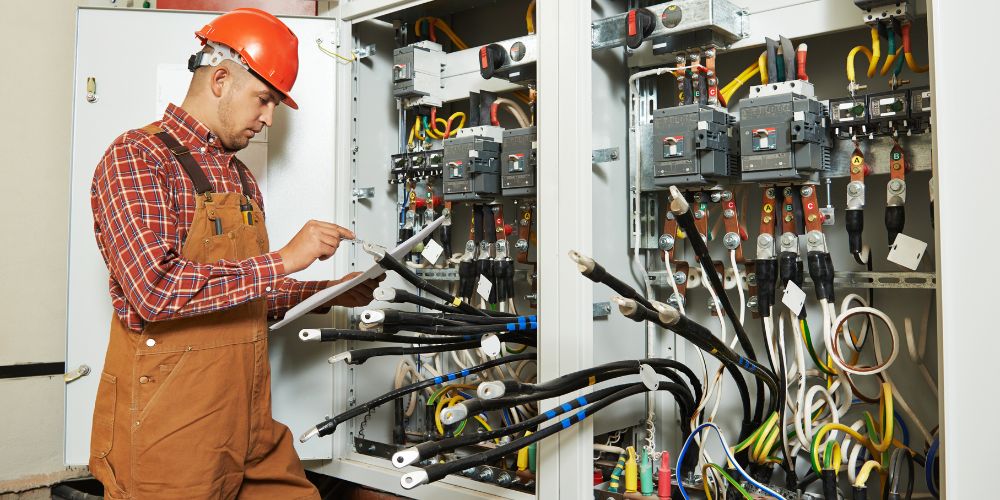
Exploring a Career in Electrical Engineering
Electrical engineering is the foundation of modern technology, focusing on the study, design, and application of electrical systems. Electrical engineers work across industries, powering innovations from renewable energy to telecommunications and smart devices. This post covers the main career paths, salaries, job markets, and industry trends in electrical engineering worldwide.
What is Electrical Engineering?
Electrical engineering involves designing, developing, and testing electrical systems, circuits, and equipment. Professionals in this field are essential to a wide range of industries, from power generation and telecommunications to electronics and aerospace, helping to power, control, and communicate through various electrical technologies.
Types of Electrical Engineering Careers
Power Systems Engineer
-
- Focus: Design, operate, and maintain electrical power generation and distribution systems.
- Skills Needed: Power systems analysis, electrical grid design, renewable energy integration.
Electronics Engineer
-
- Focus: Develop small electronic components for consumer electronics, computers, and communication systems.
- Skills Needed: Circuit design, semiconductor technology, PCB design, and testing.
Telecommunications Engineer
-
- Focus: Design and maintain communication systems, including cellular networks, satellite systems, and broadband infrastructure.
- Skills Needed: Signal processing, RF engineering, network protocols.
Control Systems Engineer
-
- Focus: Design systems that monitor and control machinery in industries like manufacturing and aerospace.
- Skills Needed: Control theory, automation, PLC programming, and system integration.
Renewable Energy Engineer
-
- Focus: Develop sustainable energy systems, including solar, wind, and geothermal power.
- Skills Needed: Renewable energy tech, power electronics, grid integration, energy storage.
Embedded Systems Engineer
-
- Focus: Create embedded systems for products like IoT devices, medical devices, and automotive electronics.
- Skills Needed: Microcontrollers, firmware development, real-time systems.
Key Skills for Electrical Engineers
- Mathematics and Physics – Strong analytical skills are essential for designing and analyzing electrical systems.
- Circuit Design and Analysis – Proficiency with software like SPICE, MATLAB, and LabVIEW for circuit simulation and testing.
- Programming – Coding skills (C, C++, Python) for embedded systems and control applications.
- Project Management – Planning, budgeting, and managing electrical engineering projects.
- Problem-Solving and Innovation – Creativity in designing solutions and troubleshooting complex systems.
Salary Expectations in Electrical Engineering
Salaries for electrical engineers vary widely based on experience, industry, and location. Here’s an overview of typical annual salaries for different roles:
| Country | Entry-Level Salary | Mid-Level Salary | Senior-Level Salary | Project Manager Salary | Specialized Roles Salary |
|---|---|---|---|---|---|
| United States | $65,000 – $80,000 | $85,000 – $115,000 | $115,000 – $150,000+ | $130,000 – $160,000+ | $100,000 – $170,000+ |
| Canada | CAD 60,000 – 75,000 | CAD 85,000 – 110,000 | CAD 110,000 – 140,000+ | CAD 120,000 – 160,000+ | CAD 100,000 – 150,000+ |
| United Kingdom | £28,000 – £40,000 | £45,000 – £65,000 | £65,000 – £90,000+ | £75,000 – £100,000+ | £60,000 – £95,000+ |
| Australia | AUD 65,000 – 85,000 | AUD 90,000 – 115,000 | AUD 115,000 – 150,000+ | AUD 130,000 – 170,000+ | AUD 100,000 – 160,000+ |
| Germany | €45,000 – €60,000 | €60,000 – €85,000 | €85,000 – €120,000+ | €100,000 – €135,000+ | €70,000 – €130,000+ |
| China | CNY 120,000 – 160,000 | CNY 160,000 – 260,000 | CNY 260,000 – 350,000+ | CNY 350,000 – 450,000+ | CNY 220,000 – 420,000+ |
Note: These salaries are average ranges and vary based on experience, industry, specialization (e.g., power systems, electronics), and demand in each country.
Global Job Market for Electrical Engineers
United States
- Focus: Renewable energy, telecommunications, electric vehicles (EVs).
- Career Opportunities: High demand for engineers in renewable energy and telecommunications.
- In-Demand Skills: Power grid modernization, telecommunications networks, EV systems.
Germany
- Focus: Automotive (EVs), renewable energy, and Industry 4.0 (automation).
- Career Opportunities: Strong demand for engineers in automotive electronics, control systems, and sustainable energy.
- In-Demand Skills: Automation, power electronics, embedded systems for EVs.
Japan
- Focus: Robotics, advanced manufacturing, and consumer electronics.
- Career Opportunities: Demand in robotics, automation, and consumer tech sectors.
- In-Demand Skills: Circuit design, robotics, IoT integration.
China
- Focus: Telecommunications, large-scale manufacturing, and renewable energy.
- Career Opportunities: Significant demand for engineers in telecoms and renewable energy sectors.
- In-Demand Skills: Signal processing, energy storage, and control systems.
Australia
- Focus: Renewable energy and mining technology.
- Career Opportunities: Demand for power systems and energy engineers, especially in solar and wind.
- In-Demand Skills: Renewable energy tech, power electronics, grid integration.
Career Path in Electrical Engineering
- Entry Level – Junior Electrical Engineer, Field Engineer, Test Engineer.
- Mid-Level – Project Engineer, Design Engineer, Electronics Engineer.
- Senior Level – Senior Electrical Engineer, Systems Engineer, Lead Engineer.
- Management – Engineering Manager, Project Manager.
- Executive – Chief Engineer, Director of Engineering, CTO.
Future Trends in Electrical Engineering
- Renewable Energy Expansion – Countries are investing in sustainable power, driving demand for renewable energy and grid modernization experts.
- Telecommunications Growth – 5G and IoT expansion create new opportunities for engineers specializing in telecommunications and networking.
- Electric Vehicles and Power Electronics – The shift to EVs requires advanced power systems and embedded electronics.
- Automation and Control Systems – Automation is a global priority, increasing the need for engineers skilled in robotics, control systems, and industrial automation.
Final Thoughts
Electrical engineering provides dynamic career opportunities across numerous industries. Whether working on renewable energy projects, developing cutting-edge consumer electronics, or advancing telecommunications, electrical engineers play a crucial role in shaping the future of technology and infrastructure. For those with a passion for innovation and problem-solving, electrical engineering offers a versatile and impactful career path worldwide.