


Single Electric Fan Oven
Add a review FollowOverview
-
Founded Date August 3, 2001
-
Sectors Writing
-
Posted Jobs 0
-
Viewed 93
Company Description
Are You In Search Of Inspiration? Try Looking Up Single Fan Oven
Understanding Single Fan Ovens: A Comprehensive Guide
Intro
As contemporary kitchen areas grow significantly advanced, appliances created for efficiency and efficiency are at the leading edge of consumer interest. One such appliance that stays popular among home cooks and baking enthusiasts is the single fan oven, an electric model understood for its versatility and ease of usage. This article provides in-depth information about single fan ovens, including their functionality, benefits, types, and factors to consider for purchase.
What is a Single Fan Oven?
A single fan oven, also referred to as a stove, includes a single cooking chamber with a fan and exhaust system that flows hot air uniformly throughout the cooking space. This leads to an even cooking temperature level and boosted cooking efficiency compared to standard fixed ovens.
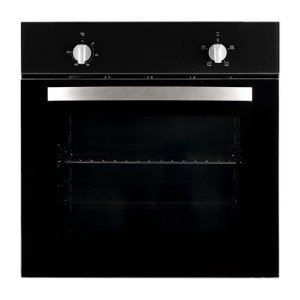
Key Components of a Single Fan Oven
- Heating Elements: Usually situated on top and bottom, these produce heat for cooking.
- Fan: The central function that circulates the hot air within the oven, promoting much faster and more even cooking.
- Thermostat: Regulates the temperature to guarantee optimal cooking conditions.
- Control Panel: Provides user interface choices for setting temperature levels, cooking times, and modes.
How Does a Single Fan Oven Work?
Single fan ovens run by combining the heat from the heating aspects with the air motion produced by the fan. The hot air is dispersed uniformly around the food, considerably reducing cooking time while likewise permitting lower cooking temperatures.
Benefits of Using a Single Fan Oven
- Faster Cooking Times: The flowing air permits food to cook faster compared to conventional ovens.
- Even Cooking: Food is exposed to constant heat from all sides, decreasing the chances of irregular cooking or hot areas.
- Versatility: These ovens can be used for baking, roasting, and even grilling, making them appropriate for a wide variety of recipes.
- Energy Efficiency: By cooking at lower temperatures and in less time, these ovens may utilize less energy than their standard counterparts.
- Wetness Retention: The design assists keep wetness in dishes, resulting in juicy roasts and baked goods with a light texture.
Kinds Of Single Fan Ovens
When thinking about a single fan oven, customers might come across various types based upon functions and style. Here are a couple of typical types:
1. Built-in Single Fan Ovens
- Description: Integrated into kitchen cabinetry for a seamless appearance.
- Pros: Saves counter area, aesthetically pleasing.
- Cons: Higher installation expenses, might need professional help.
2. Freestanding Single Fan Ovens
- Description: Standalone units that can be placed throughout the kitchen.
- Pros: Easy to install, flexible placement.
- Cons: Can use up more area, might not mix well with cabinetry.
3. Range Cookers with Fan Ovens
- Description: Multiple cooking alternatives, including a fan oven, integrated in one unit.
- Pros: Offers various cooking methods, perfect for ambitious cooks.
- Cons: Generally more pricey, larger footprint.
Contrast Table of Single Fan Oven Types
| Type | Pros | Cons |
|---|---|---|
| Built-in | Space-saving, aesthetically pleasing | Greater costs, professional installation needed |
| Freestanding | Versatile placement | Uses up more area, might not match cabinetry |
| Range Cooker | Several cooking methods | Greater price, larger size |
Picking the Right Single Fan Oven
When choosing a single fan oven, a number of elements need to be considered to ensure that it satisfies individual cooking requirements and fits within your kitchen layout.
Factors to Consider
- Size and Capacity: The size should match your kitchen layout while using sufficient capacity for your cooking routines.
- Functions and Functions: Look for adjustable racks, self-cleaning options, and numerous cooking modes to improve flexibility.
- Energy Efficiency: Check for energy rankings; some models are created to be especially energy-efficient.
- Budget: Costs can vary significantly, making it important to develop a sensible spending plan ahead of time.
Upkeep Tips for Single Fan Ovens
- Regular Cleaning: Wipe down interior surface areas after usage to prevent residue build-up.
- Inspect the Fan: Ensure the fan is devoid of obstructions and working properly.
- Check Seals: Regularly inspect the door seals for wear and tear to maintain cooking effectiveness.
- Professional Servicing: Schedule regular expert checks to guarantee ideal operation.
Frequently Asked Questions about Single Fan Ovens
1. Can I utilize my single fan oven for baking?
Absolutely! Single fan ovens are outstanding for baking, supplying constant temperatures important for cakes, cookies, and breads.
2. Is it essential to preheat a single fan oven?
While pre-heating is normally suggested for optimal outcomes, due to the effectiveness of a fan oven, some recipes might not require it.
3. Can I cook multiple meals at once?
Yes! The even heat circulation in single fan ovens permits you to bake or roast several meals all at once, using all rack levels efficiently.
4. Does a single fan oven cook quicker than a conventional oven?
Yes, the fan-assisted heating lowers cooking times, enabling faster cooking.
Single fan ovens offer an extraordinary balance of speed, flexibility, and effectiveness, making them a valuable addition to any kitchen. Whether for baking, roasting, or everyday cooking, these ovens guarantee that home cooks can produce scrumptious meals with ease. By comprehending the benefits, types, and factors to consider for buying a single fan oven, consumers can make an educated decision that lines up with their cooking desires and kitchen dynamics.
Welcoming the performances of a single fan oven undoubtedly leads the way for enhanced cooking experiences in the Modern Ovens kitchen.