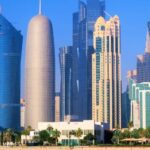
Saudi Arabia is rapidly emerging as a top destination for international workers, driven by ambitious development projects, a growing economy, and the nation’s Vision 2030 plan aimed at diversifying away from oil dependency. With major projects like NEOM, the Red Sea Project, and various cultural and entertainment initiatives, Saudi Arabia offers abundant job opportunities for expatriates, particularly in sectors like construction, technology, finance, healthcare, and education.
Why Work in Saudi Arabia?
Saudi Arabia has become increasingly attractive to international professionals for several reasons:
- High demand for skilled workers across a variety of industries.
- Competitive salaries and tax-free income, allowing for substantial savings.
- Numerous mega-projects and development initiatives that create unique job opportunities.
- Focus on quality of life improvements, with increased investment in leisure, tourism, and modern infrastructure.
- International-standard healthcare and education facilities in major cities.
High-Demand Sectors for International Workers
- Construction and Infrastructure Saudi Arabia is heavily invested in developing its infrastructure, with massive projects such as NEOM (a high-tech city), the Red Sea Project, and Al-Ula. Skilled professionals in civil engineering, project management, architecture, and urban planning are in high demand as these projects progress.
- Energy and Renewables While Saudi Arabia is known for its oil industry, it is diversifying into renewable energy, particularly solar and wind power. Professionals with expertise in energy engineering, renewable technologies, and environmental science will find ample opportunities.
- Healthcare and Medical Services Healthcare is a priority sector, with the government aiming to expand services across the country. International medical professionals, including doctors, nurses, and specialists, are highly valued and often employed by public and private hospitals.
- Technology and Digital Transformation Saudi Arabia is advancing its digital infrastructure, creating job openings in software development, cybersecurity, data science, and AI. The growing technology sector aligns with Vision 2030’s goal of digital transformation, with many multinational companies expanding their presence in the kingdom.
- Education and Training Education is highly valued, with a focus on international standards. International schools and universities frequently seek experienced teachers and administrators. Demand is especially high for teachers in STEM fields, English, and special education.
- Tourism and Hospitality With the expansion of tourism under Vision 2030, the hospitality industry is booming, particularly in locations like Riyadh, Jeddah, and NEOM. There is high demand for hospitality management professionals, chefs, tour guides, and customer service experts to support Saudi Arabia’s growing tourist sector.
Work Visa and Legal Requirements
Expatriates need a work visa to be legally employed in Saudi Arabia. There are several types of visas, including:
- Work Visa (Iqama): This visa is the most common and is arranged by the employer, allowing expatriates to work legally in Saudi Arabia. The Iqama is valid for one to two years and can be renewed.
- Business Visa: For short-term business trips, allowing expatriates to conduct meetings, attend conferences, or explore opportunities. However, this visa does not permit long-term employment.
- Investor Visa: Suitable for individuals who invest in a business within the country, granting the flexibility to work and manage their own enterprise.
Note: Employers typically handle the visa application process. Once an expatriate has an Iqama, it’s essential to abide by all legal requirements and renew the visa before it expires to avoid fines or penalties.
Top Cities for International Workers in Saudi Arabia
- Riyadh The capital city is the commercial and financial heart of the country, home to multinational companies, financial institutions, and government agencies. Expatriates in finance, technology, and healthcare will find extensive opportunities here. Riyadh offers a more conservative lifestyle but boasts a high standard of living, modern infrastructure, and amenities.
- Jeddah As a major port city on the Red Sea, Jeddah is known for its vibrant, cosmopolitan atmosphere. Expatriates in sectors like construction, hospitality, and healthcare are in high demand. Jeddah is also a gateway for tourism in the western region and enjoys a more relaxed cultural environment than Riyadh.
- Dammam and Khobar These neighboring cities in the Eastern Province are home to much of Saudi Arabia’s oil industry. With strong demand in engineering, energy, and construction, Dammam and Khobar are attractive to expatriates in these sectors. The cities offer a high quality of life with access to beachfronts, malls, and international schools.
- NEOM NEOM is a futuristic city being built in the northwest, focusing on high-tech industries, tourism, and sustainability. Still in development, NEOM is expected to attract a wide range of expatriates across sectors like technology, energy, and tourism, offering unique and innovative career paths.
Cost of Living in Saudi Arabia
Saudi Arabia’s cost of living varies by city, with housing and education typically being the largest expenses for expatriates. Below is a breakdown of average monthly costs for expatriates in Saudi Arabia’s main cities.
| Expense Category | Riyadh | Jeddah | Dammam/Khobar |
|---|---|---|---|
| Housing (1-bedroom apt.) | SAR 2,500 – SAR 4,500 ($670 – $1,200) | SAR 2,000 – SAR 4,000 ($530 – $1,070) | SAR 1,800 – SAR 3,500 ($480 – $930) |
| Public Transportation | SAR 100 – SAR 200 ($27 – $53) (monthly) | SAR 80 – SAR 150 ($21 – $40) | SAR 80 – SAR 150 ($21 – $40) |
| Dining (local meal) | SAR 20 – SAR 40 ($5.30 – $11) | SAR 15 – SAR 30 ($4 – $8) | SAR 15 – SAR 30 ($4 – $8) |
| Dining (mid-range meal) | SAR 100 – SAR 250 ($27 – $67) | SAR 80 – SAR 200 ($21 – $53) | SAR 80 – SAR 200 ($21 – $53) |
| Groceries (monthly) | SAR 600 – SAR 1,200 ($160 – $320) | SAR 500 – SAR 1,000 ($133 – $267) | SAR 500 – SAR 1,000 ($133 – $267) |
| Utilities (monthly) | SAR 300 – SAR 800 ($80 – $213) | SAR 250 – SAR 700 ($67 – $187) | SAR 250 – SAR 700 ($67 – $187) |
Language and Cultural Tips
While Arabic is the official language, English is commonly used in business and is widely understood in urban areas. Learning basic Arabic phrases and understanding cultural norms, such as respectful greetings and Islamic practices, can go a long way toward building positive relationships.
Saudi workplaces are generally formal and hierarchical, with respect for authority highly valued. Relationships are often key to successful business interactions, so expatriates should invest time in building trust and connections. It’s also essential to be aware of local customs, including conservative dress codes and observance of prayer times.
Benefits of Working in Saudi Arabia
- High Earning Potential and Tax-Free Income
Salaries are often competitive, especially in industries like energy, finance, and healthcare, and the lack of personal income tax allows expatriates to save a substantial portion of their earnings. - Growing Economy and Expanding Opportunities
With the implementation of Vision 2030, Saudi Arabia is creating a broader range of job opportunities, particularly for expatriates with specialized skills in high-demand sectors. - Improved Quality of Life and Infrastructure
Saudi Arabia’s rapid development has led to improved infrastructure, modern amenities, and an increasing number of cultural and recreational activities, especially in cities like Riyadh and Jeddah. - Large Expatriate Community
Saudi Arabia has a sizable expatriate population, which provides social networks, resources, and a support system for newcomers adjusting to life in the kingdom.
Challenges to Consider
- Cultural Adaptation
Saudi Arabia has conservative social norms, and expatriates may need to adjust their behavior and dress in public. Understanding Islamic customs and local etiquette is important for a smooth transition. - High Dependence on Sponsorship for Visas
Work visas are tied to employment, and sponsorship is required for expatriates to work legally. Changing jobs can be complex due to sponsorship requirements. - Restrictions on Leisure and Entertainment Options
While entertainment options are expanding, they may still be limited compared to some other countries. It’s essential to be aware of restrictions on certain activities and to plan accordingly.
Final Thoughts
Saudi Arabia offers an exciting mix of professional growth, cultural experiences, and high earning potential. With the government’s emphasis on modernization and economic diversification, there are ample opportunities for expatriates, especially in high-demand sectors like energy, healthcare, construction, and technology. Although cultural adjustments are needed, Saudi Arabia provides a unique opportunity for those looking to build careers in a dynamic and fast-evolving environment.